What's it like living in Costa Rica as a retired American?

What's it like living in Costa Rica as a retired American?
Costa Rica can offer an active, lower-pressure retirement, but costs, healthcare access, and adaptation vary sharply by region and expectations.

After years of traveling, the speaker chose Costa Rica as their current home and planned retirement destination.

Kristin highlights healthcare, biodiversity, slower living, and monthly costs ranging from roughly $1,600 to $5,000-plus.

Kema Ward and Nicholas Hopper say they live comfortably in Costa Rica on about $30,000 annually.

Vernita loves the wildlife and beaches but cites development, congestion, healthcare delays, and language barriers.
These residents cite burglary concerns and advise research beyond a vacation before starting a business.
Kristin favors Costa Rica’s healthcare and expat networks while emphasizing different retirement locations.

A retired American describes no regrets, negotiated $600 rent, and walking five minutes to the beach in Tamarindo.
After frustration with U.S. economic conditions, Charlie moved to Costa Rica seeking beach life and freedom from routine.

Costa Rica’s digital nomad visa requires $3,000 monthly for singles and offers tax-free income and import waivers, including a car.
Will describes tropical surroundings, costs far below Toronto, inexpensive rent, and challenges involving pricing and adjustment.

Retired residents value Costa Rica’s friendly people and slower pace of life.

A couple can live comfortably on about $1,800 monthly, with smaller-town rent starting near $500 and pensionado healthcare costing about $75.
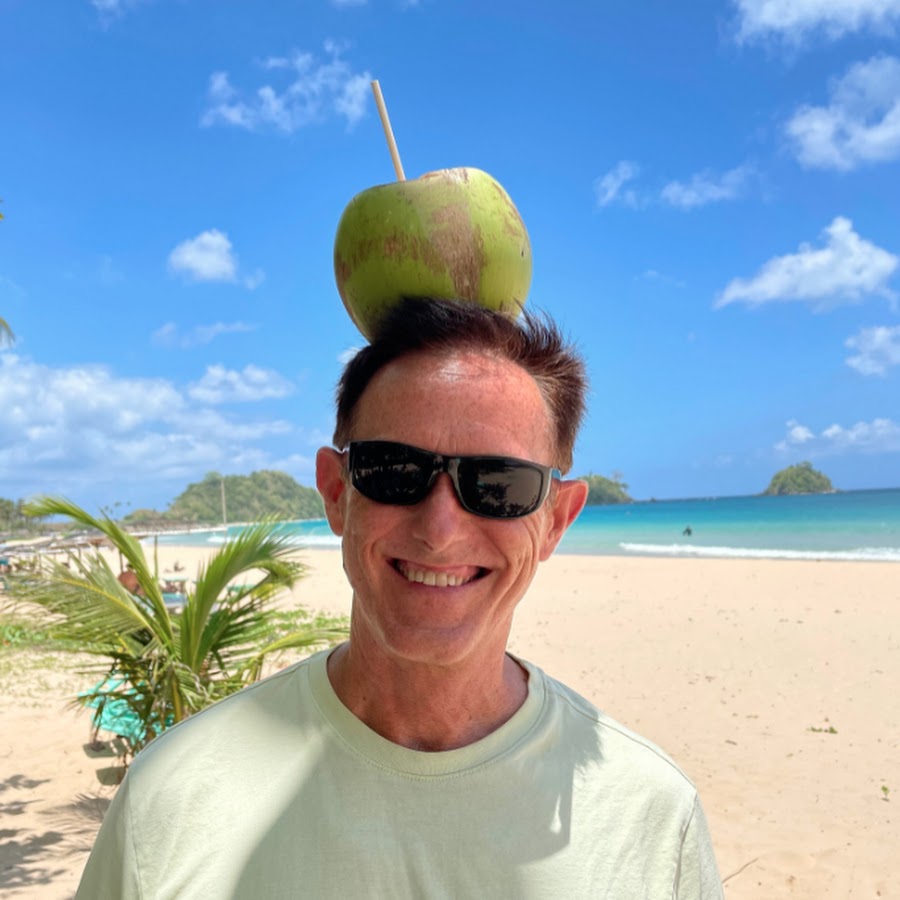
An early retiree describes living in Uvita on about $1,531 monthly while covering costs, healthcare, safety, and residency options.
Costa Rica’s Pensionado Visa accepts at least $1,000 monthly retirement income, while living costs are estimated at $2,000–$3,000 monthly.
Costa Rica offers retirees warm weather, reasonable costs, strong healthcare, and public-system access through the Pensionado Visa.

Applicants must show $2,500 in income, while residents can use Caja and private care costing about $60–$80 per visit.

After moving to Costa Rica, the family describes everyday life on their off-grid homestead and plans to show how they live.

After retiring, Mark moved from the U.S. to Costa Rica, where he bought a house and experienced local life before returning home.

Eight expatriate interviews discuss Costa Rica’s living costs, healthcare, safety, insurance, residency, and everyday adjustment.

Dan and Sandra describe repeated visits, choosing Guanacaste, and adapting to everyday life after relocating from the United States.

Mornings often include ocean sounds, frogs, birds, and insects, says a U.S. expat living in Uvita since 2021.

Costa Rica offers retirees laid-back living, friendly communities, lower costs, and extensive support networks for American expats.
After eight years in Costa Rica, Kristin explains real expenses foreigners should expect, including her own costs and other expats’ spending.
After moving from Las Vegas, the expat describes culture shock, budgeting, transportation, housing, and adapting to Costa Rican life.
Since moving in 2008, an American expatriate describes adapting to Costa Rica through community work, real estate, and local life.
A long-term resident advises retirees to understand Tico culture and rent rather than immediately buying or building property.
A recently retired couple chose Costa Rica after extensive research, discussing residency, housing, healthcare, and everyday life there.
After 18 years in Costa Rica, the speaker says retirees benefit from low property taxes, affordable healthcare, and greater happiness.
After living there eight years, Kristin says Costa Rica offers tax advantages but expensive living costs despite accessible retirement visas.
Many expats keep costs below $2,000 monthly, while a car can raise expenses to roughly $2,500–$3,000, the speaker says.
Singles can live on about $1,500 monthly in Costa Rica, while couples typically spend $2,500 to $3,000, Becca says.