What's it like living in Seoul as a Black foreigner?

What's it like living in Seoul as a Black foreigner?
Living in Seoul can be safe and rewarding, but Black residents describe visibility, stereotypes, exclusion, and practical shopping challenges.

Jubilee participants describe feeling safe and finding strong Black community after initial isolation.
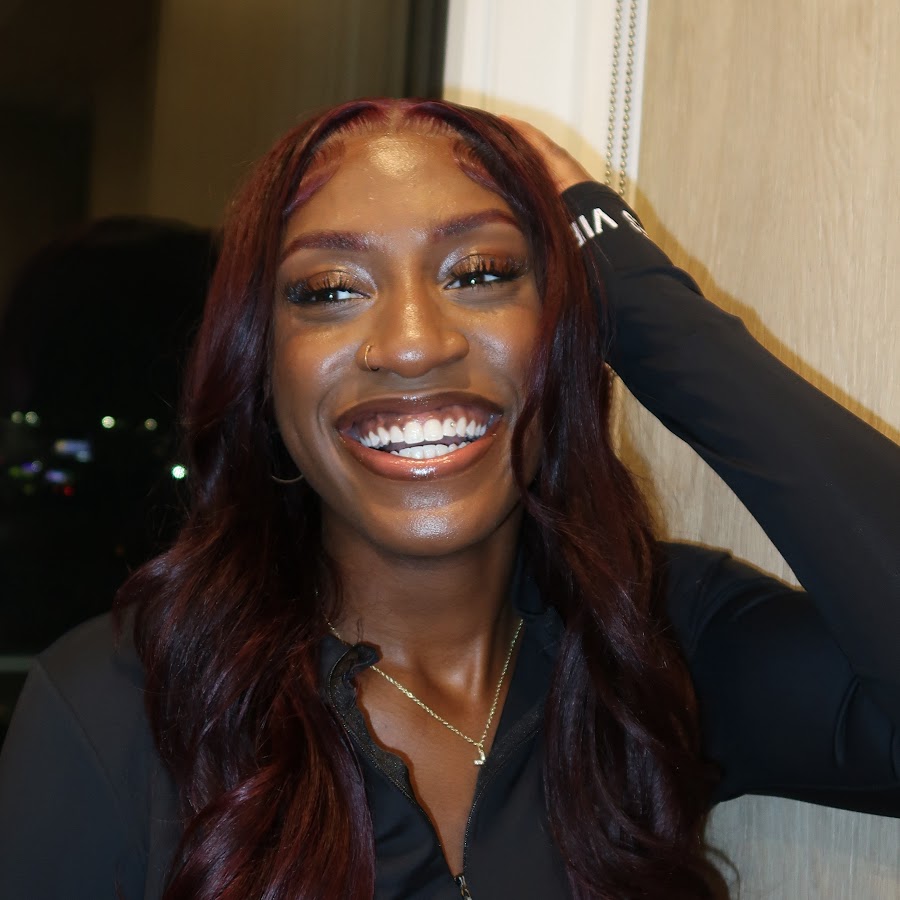
Caroline describes staring, occasional club exclusion, fetishization, and difficulty finding makeup shades and clothing.

Sundai Love recalls racism and illness, yet recommends Korea while warning that some people may dislike you.

Black women report mostly positive experiences alongside workplace bias, daily racism, and advice to build community.

Black expatriates describe hair touching, nationality assumptions, and uncomfortable comments they encountered while living in South Korea.

In Seoul, stares are awkward but uncommon, while most people stay focused on their phones and mind their business.

Living in Korea can feel daunting and lonely, with some people pursuing friendships primarily because someone is Black.
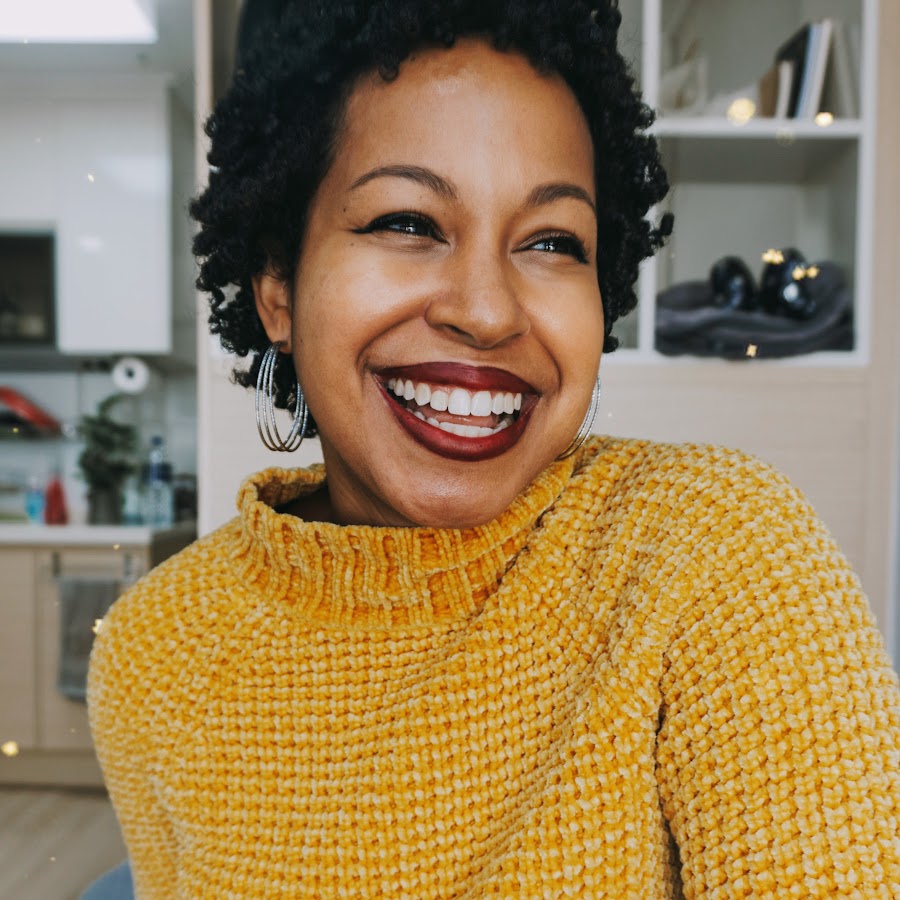
She compares racial profiling favorably with the United States and reports no school discrimination, while citing language as her main barrier.

Black women in Korea encounter kind locals alongside subway avoidance, intrusive questions, and occasional harassment.

She describes racism in Korea as mostly people staring, with no one directly insulting her.
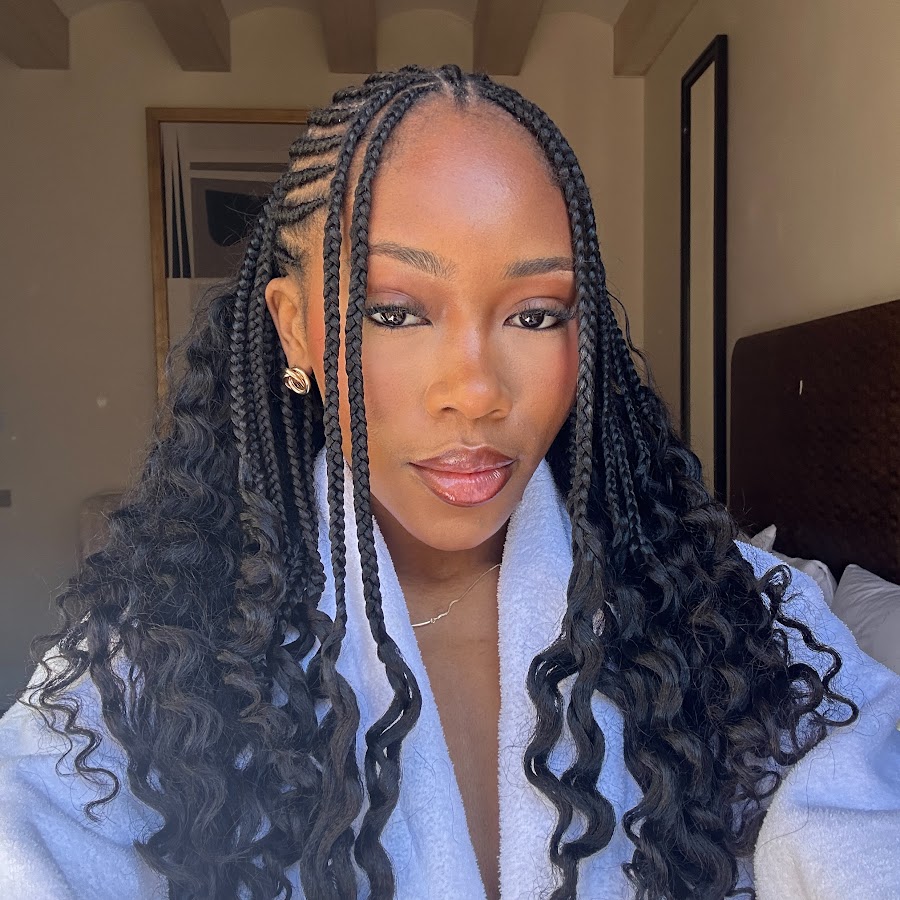
A Seoul venue reportedly refused entry, saying “no blacks,” before Afrobeat elsewhere helped improve the night.

Darker-skinned residents may find Korea’s darkest foundation and concealer shades too light, so bring your own products.

Biggest racism experiences came from foreigners, with more microaggressions than from Koreans, she says.
A subway passenger grabbed his afro, while he says staring and questions about his hair shaped his everyday life in Korea.

After nearly seven months in Korea, Nathalie describes frequent staring, unsolicited attention, and adapting with confidence.

Downtown Seoul areas like Hongdae and Itaewon feel more accepting, while less diverse outskirts bring more staring and awkward encounters.
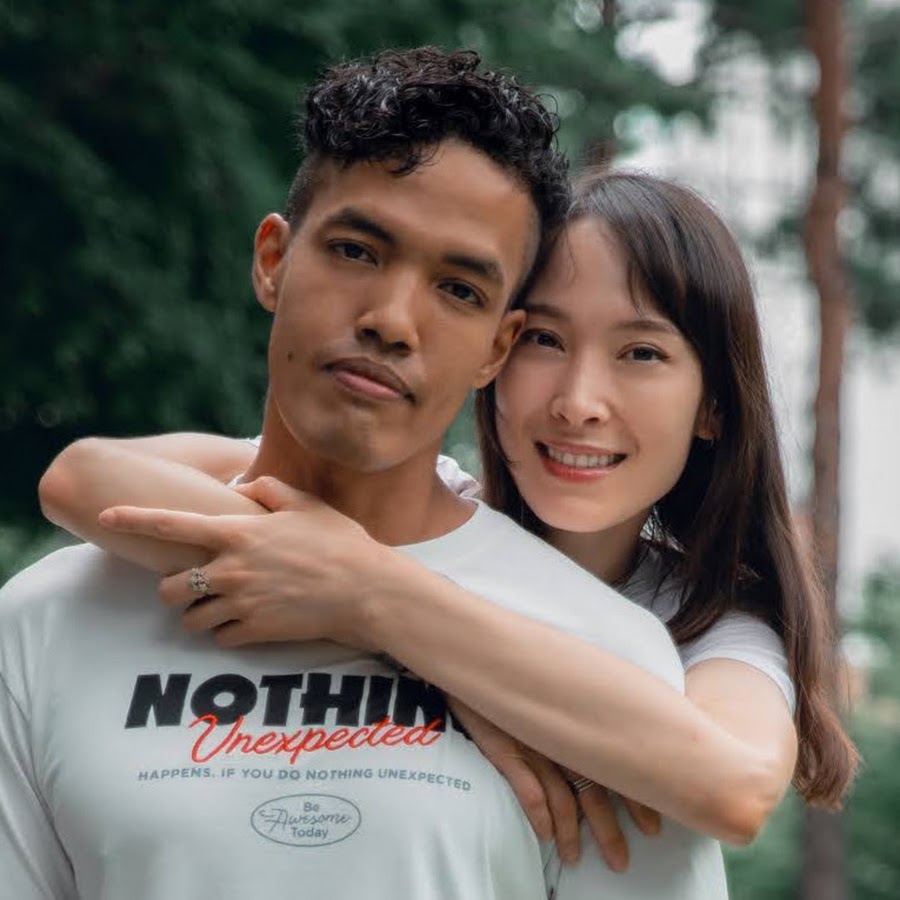
After four and a half years in Korea, MiKole describes supportive communities but difficulty having meaningful conversations in Korean.

A Black expatriate discusses racism, discrimination, and adapting to differences while living in South Korea.

A Black foreigner discusses racism, exclusion, stereotyping, and pressure to assimilate while living in South Korea.

She expected racism but experienced only a few non-malicious train stares during her time in Korea.

Black women in Korea describe frequent staring and unwanted hair touching, especially when wearing braids or faux locs.

A Black American student in Seoul describes being denied entry to a Gangnam club and facing broader discrimination against people of color.

Black creators describe discrimination, work pressures, representation, and community experiences while living in South Korea.

An African foreigner finds multicultural Itaewon comfortable but feels conspicuously foreign in Pohang, where people stare.
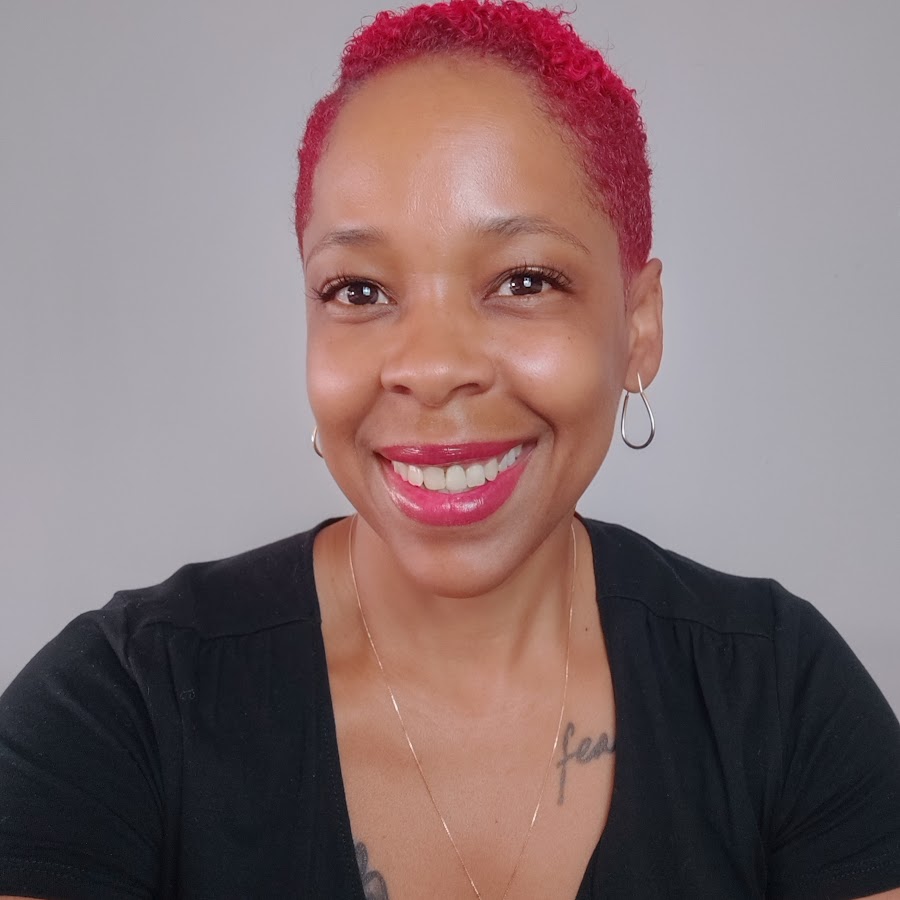
In a small Korean town, a Black woman experienced intense curiosity, staring, and unwanted touching from acquaintances.
Xenophobia, foreigner restrictions, and frequent staring make Seoul interesting but difficult to imagine living in permanently.

A Black former service member describes three years in Korea, including Seoul nightlife and questions she viewed as curiosity rather than racism.
Restaurant staff may look wary at first, but speaking Korean often makes them more comfortable, according to a foreign resident.

During her first weeks, she felt like a minority, stood out, and found unfamiliar staring—especially from older people—difficult.